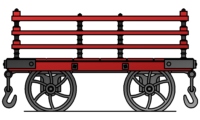
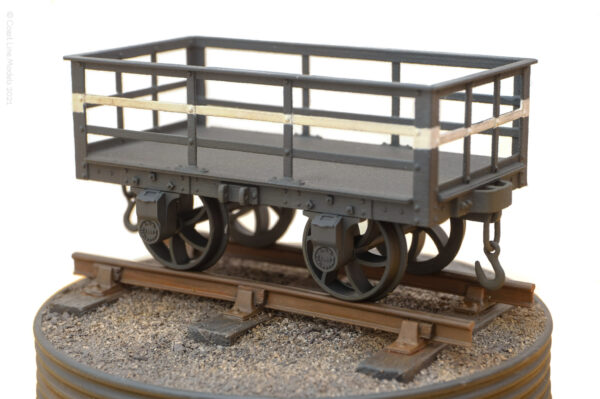
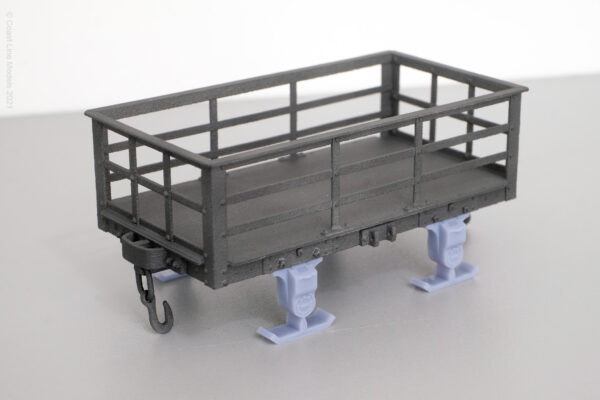
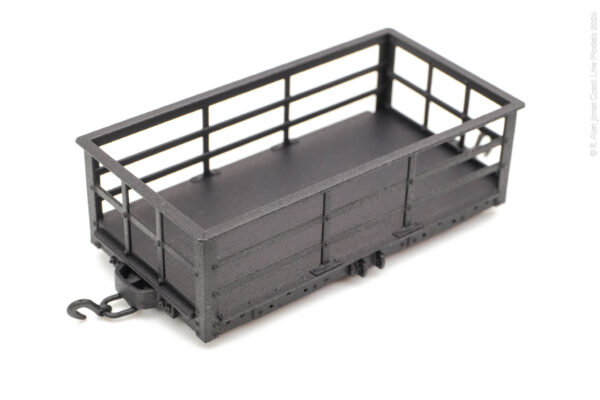
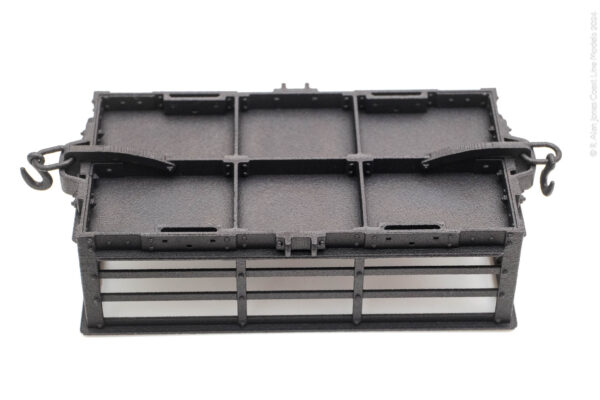
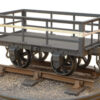
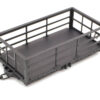
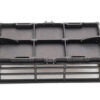
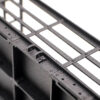
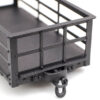
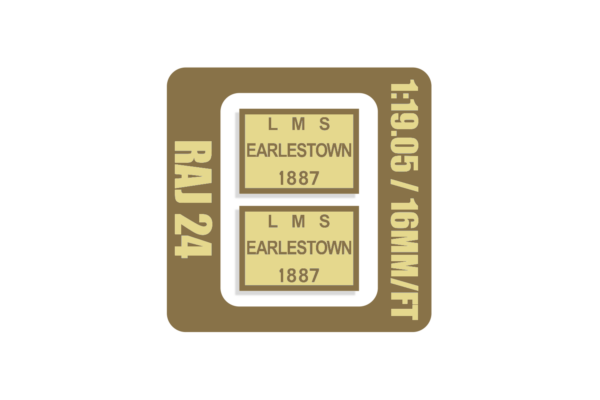
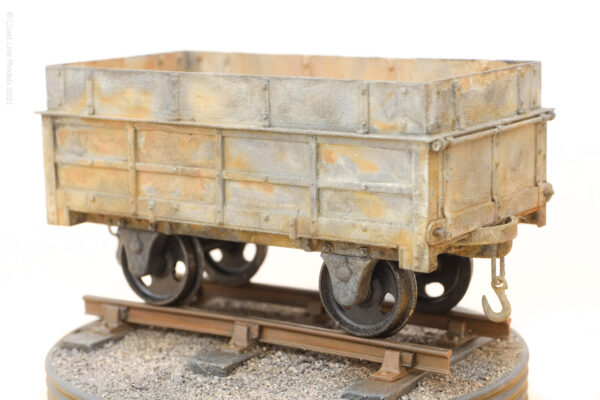
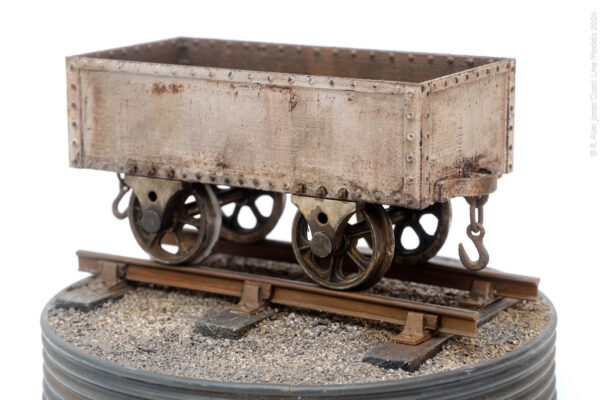
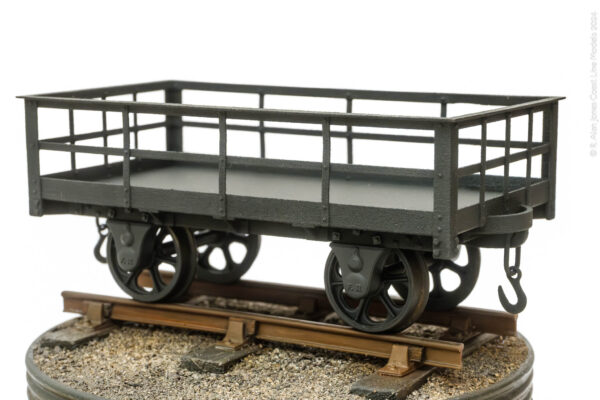
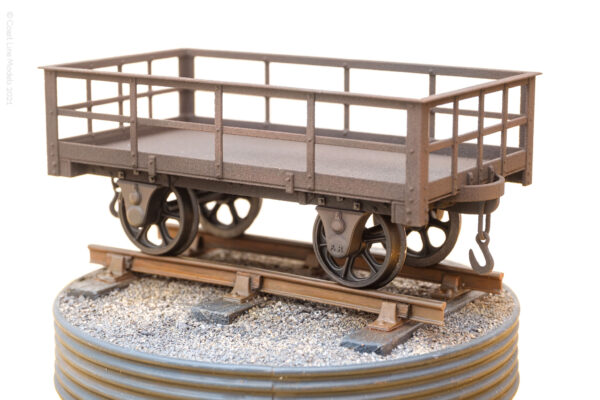
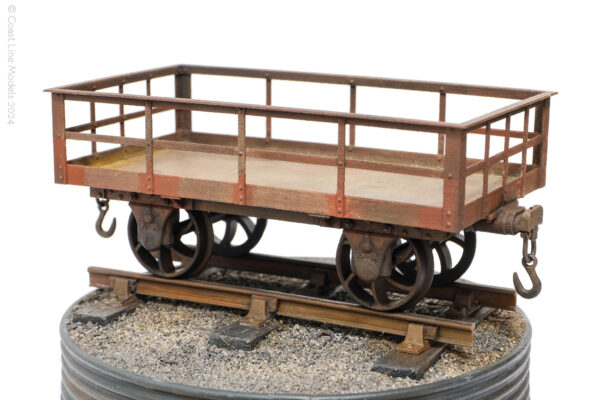
150 of this type of wagon was built by the LNWR's Earlestown works during 1885. They were based on the FR Standard 2 ton design, but with some characteristic detail differences.
About the kits:
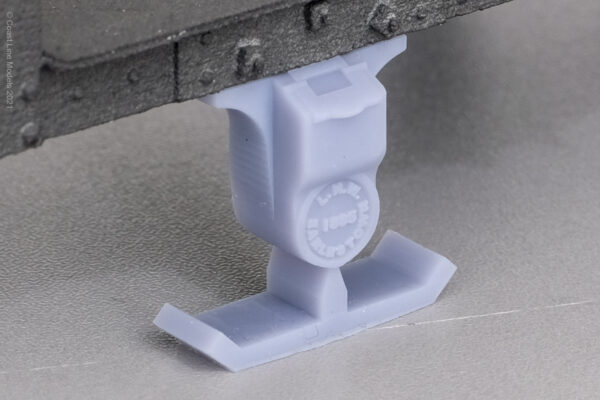
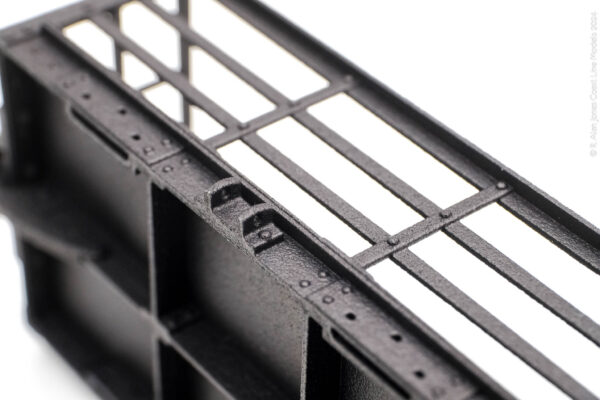
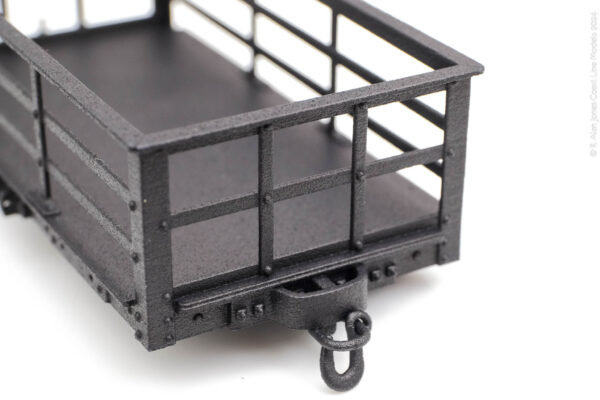
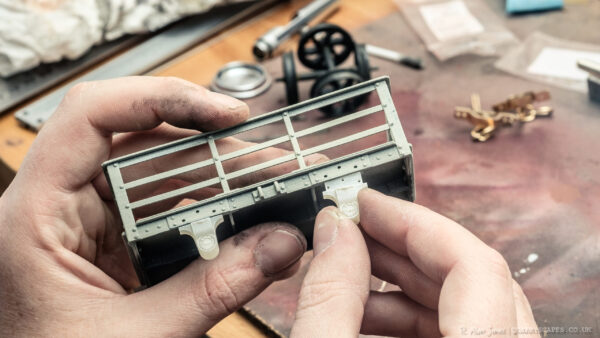
Type ‘A’ Wagons are ‘Body with Buffer’. These feature a one-piece main bodyshell, designed to be used with Coast Line Axleboxes. The axleboxes are retained by crossdrilling through the pilot holes in the solebar 1mm and gluing in retaining pins with dummy nut or bolt heads. Coupling Hooks are usually attached by a wire link to the buffer/coupler or drawbar printed as part of the main body. Couplings must be purchased spearately, but axleboxes are included.
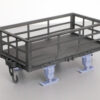
Type ‘B’ Wagons are ‘Body Only’. These feature a one-piece main bodyshell, designed to be used with Coast Line Axleboxes and separate Cast Metal Buffer/Coupling units. They require only simple assembly, the axleboxes are retained by crossdrilling through the pilot holes in the solebar 1mm and gluing in retaining pins with dummy nut or bolt heads. The couplings are normally retained by a 16 or 14BA bolt through the tail of the coupling, locking it to the wagon ‘spine’. Some are bolted to the headstock, and others use D link shackles which may be closed by bolt or pin. Couplings must be purchased spearately, but axleboxes are included.
Type 'C' Wagons are 'Complete with Couplings'. On Iron Wagons the couplings are normally printed integral with the wagon body, no assembly being required.
Tools required for assembly:
A 1.05mm drill bit in pin chuck is required for crossdrilling the axlebox pin holes